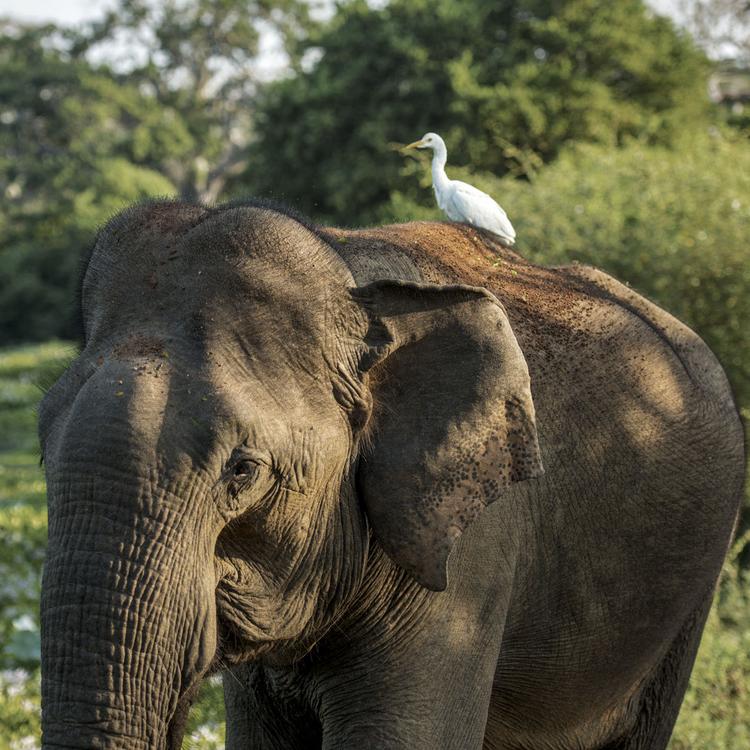



Wilpattu National Park lies on the northwest coast of Sri Lanka, 30km due west of the ancient city of Anuradhapura, and spanning the border between the North West and North Central Provinces. It's among the oldest and most important protected areas in the country.
Speak to an expert 020 7924 7133 1-888-577-8452
Wilpattu is also the largest national park in Sri Lanka, with approximately 131,500 hectares. Declared as a sanctuary in 1905, the government upgraded it to national park status on 25 February 1938. The park was closed for some parts of the recently ended civil unrest experienced in the region, but it has now re-opened and is safe for visits.
Situated firmly in Sri Lanka's 'dry zone' area, Willpattu National Park comprises dry lowland forest and numerous 'villus' – flat basin-like fault depressions on the earth's crust that collect rainwater. It is an excellent location for wildlife spotting in the dry and monsoonal seasons. The scenery is beautiful too. The western section of the park is deeply forested with bright copper loamy soils, and the sounds of cicadas fill the air as you drive through. Despite the thicker vegetation, wildlife sightings are still possible in these areas, with land monitors and birds galore.
Aside from Wilpattu's rugged beauty, there is a 50% chance of leopard sightings here and elephants, sloth bears, water buffalos, and spotted deer.
The park is an important site for birders. The villus support resident and migratory waterfowl, including large breeding populations of the painted stork and open billed stork. Away from the water, you might spot the greater racquet-tailed drongo, Asian paradise flycatcher, crimson-breasted barbet, Malabar pied hornbill and fish owl, plus many, many more. Of course, be ready to see one or twelve of Sri Lanka's national birds: the Sri Lankan jungle fowl.
The park takes some getting to, and the accommodation options in the region are more limited than the country's second-largest and more popular park, Yala. However, its isolation and lack of general touristic infrastructure make it so unique. You are unlikely to see too many other jeeps while on safari, and almost every sighting will be just for you – much better than squashing in with 20 different vehicles crowding around one poor leopard! You will need to head into the park for around 10km through thick dry, lowland forest before you hit the more open areas and villus; however, wildlife sightings along this road are still possible, so it pays to keep your eyes peeled; at all times!
To make the most of your time in Wilpattu, there is luxury camping just outside the park's border. For a luxury experience, the gorgeous Ullugala is not far away. Another simple, intimate option is the Ibis, with just four rooms, set amongst 2.5 acres of greenery and close to the park.
The best time to visit Wilpattu is from May to early September, during which time the extensive drought draws wildlife out to the open areas surrounding the villus.
Selected Wildlife Holidays Ideas:
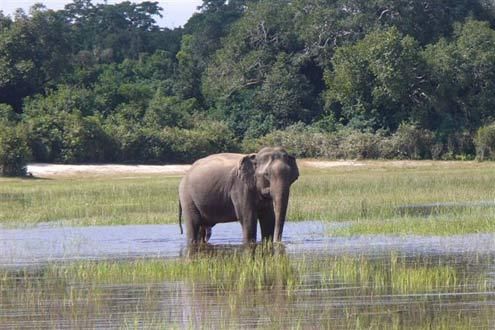
Sri Lanka's Big Mammals
Calling wildlife enthusiasts. Travel off-the-beaten-track with expert guides in search of elephants, leopards, whales and far more.
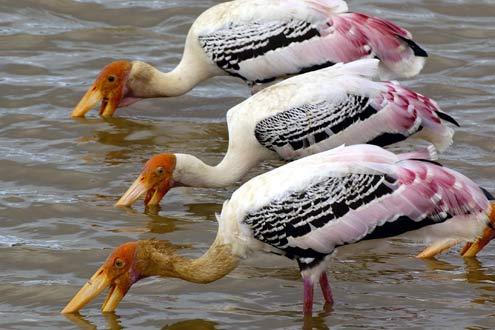
Birdlife and Natural Wealth of Sri Lanka
This holiday is ideal for those who love nature, especially birdlife. Visit the beautiful rainforests, coast, and wetlands of Sri Lanka.
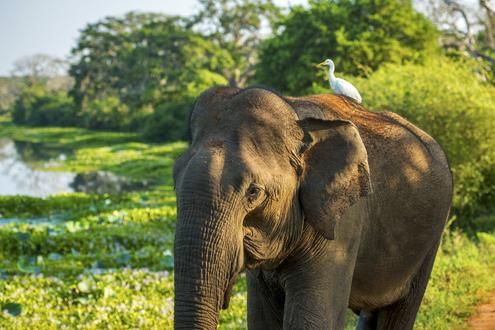
Nature & Wildlife Explorer
Gorgeous scenery, birdlife, and the varied animal population that Sri Lanka has to offer, staying in tucked away hotels.
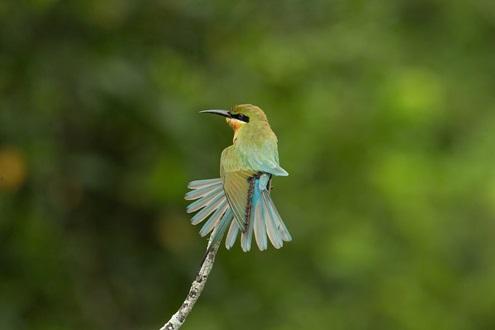
The Birdlife of Sri Lanka
A remarkable journey through the eclectic terrain and natural habitats of Sri Lanka in search of some of the 500 endemic and migratory bird species that have been recorded here.